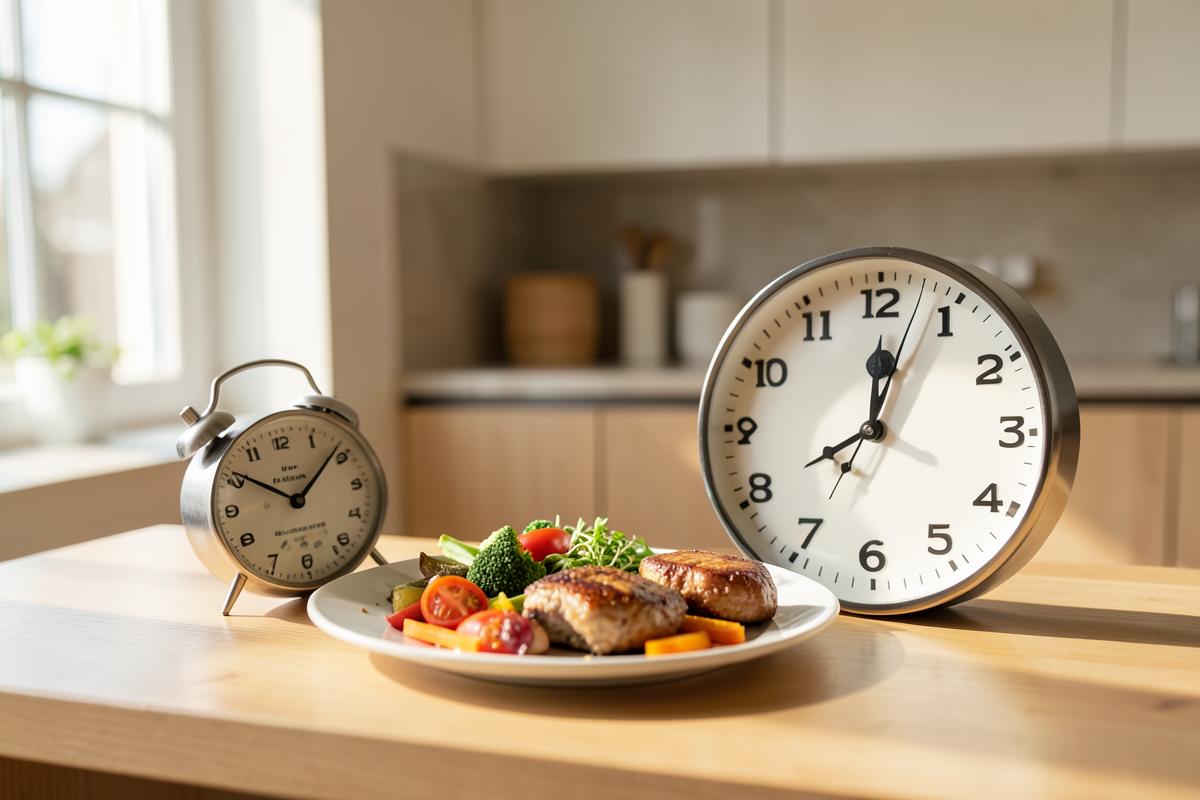
Does intermittent fasting work? What the science says in 2026
The 16:8 schedule is popular, but comparative studies tell a simpler story: results come mainly from calorie balance, not the clock.
Dr. Helena Marques · September 5, 2026

Healthy eating is not about extreme restriction. It is about structure: what to put on your plate, how often, and how to make it repeatable.
Prioritize whole and minimally processed foods for the fiber, water, and micronutrients ultra-processed foods often lack.
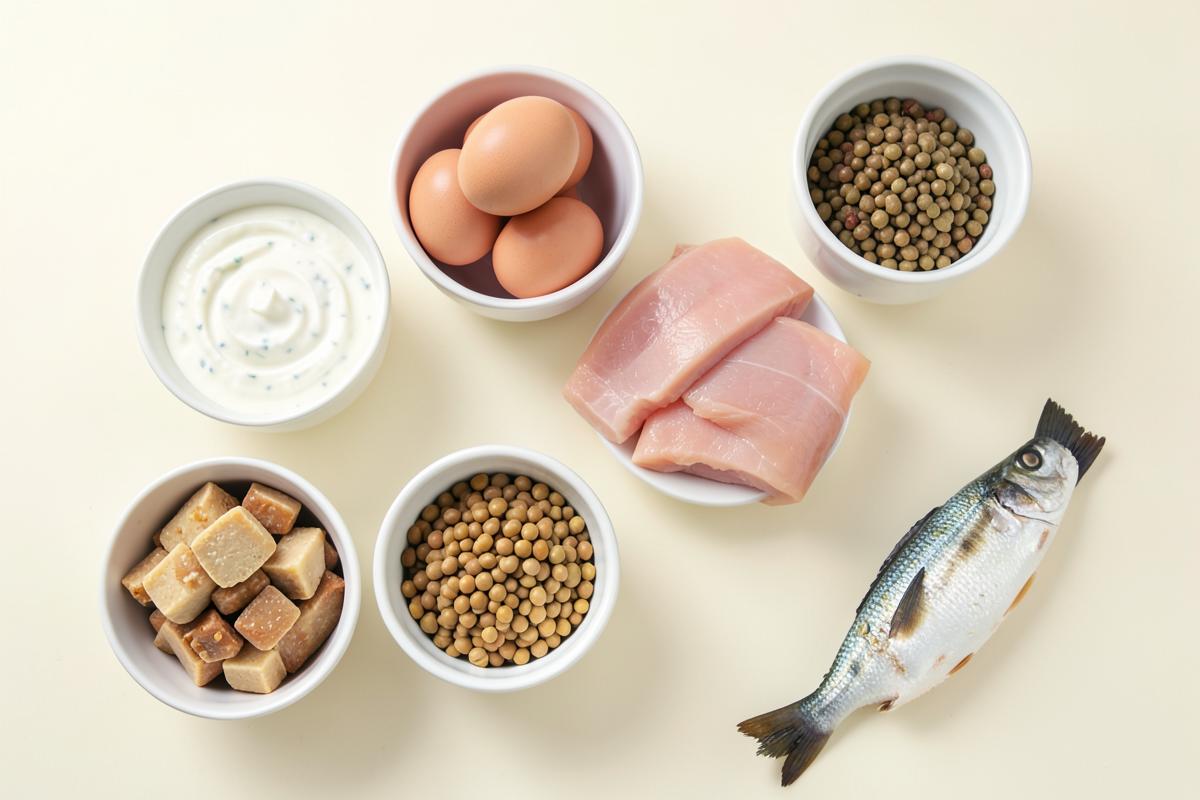
Protein supports fullness and lean mass. About 20 to 35 grams per meal can make appetite easier to manage.
Aim for 25 to 35 grams daily from beans, whole fruit, oats, seeds, and a variety of vegetables.
No food has to be forbidden. Long-term patterns matter more than isolated choices.

The 16:8 schedule is popular, but comparative studies tell a simpler story: results come mainly from calorie balance, not the clock.
Dr. Helena Marques · September 5, 2026

Semaglutide and tirzepatide changed obesity care. Understand their effects, side effects, and why strength training matters.
Dr. Helena Marques · September 3, 2026

The official minimum is lower than the amount many active and older adults may need. See practical ranges and how to spread intake out.
Dr. Helena Marques · August 31, 2026

It is not only about calories. Texture, energy density, and eating speed can change how much you consume without noticing.
Camila Ferraz · August 24, 2026

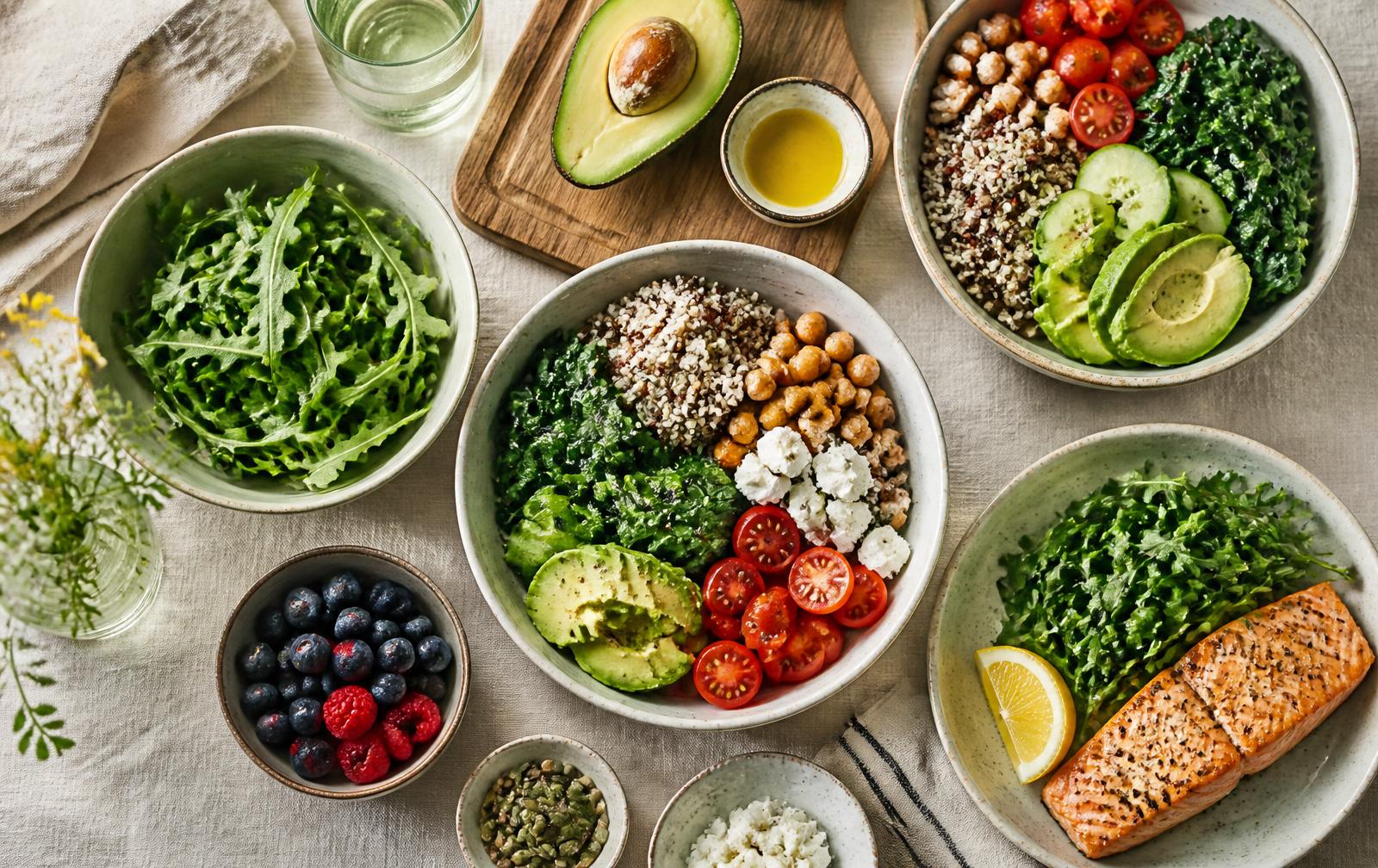
Protein, fiber, healthy fat, and quality carbohydrates. Learn how to build satisfying meals that support steady energy and real life.
Dr. Helena Marques · August 12, 2026

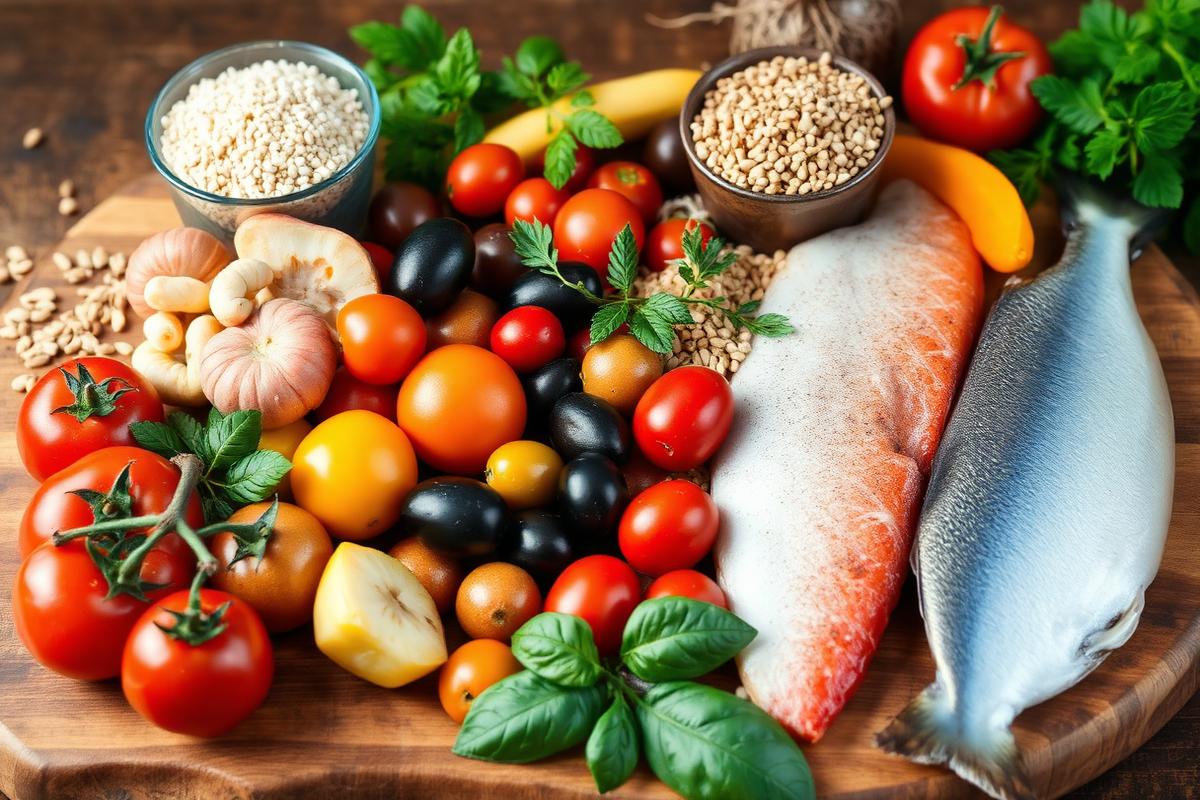
Olive oil, fish, legumes, and vegetables make this pattern a standout for heart, brain, and metabolic health.
Dr. Helena Marques · August 2, 2026

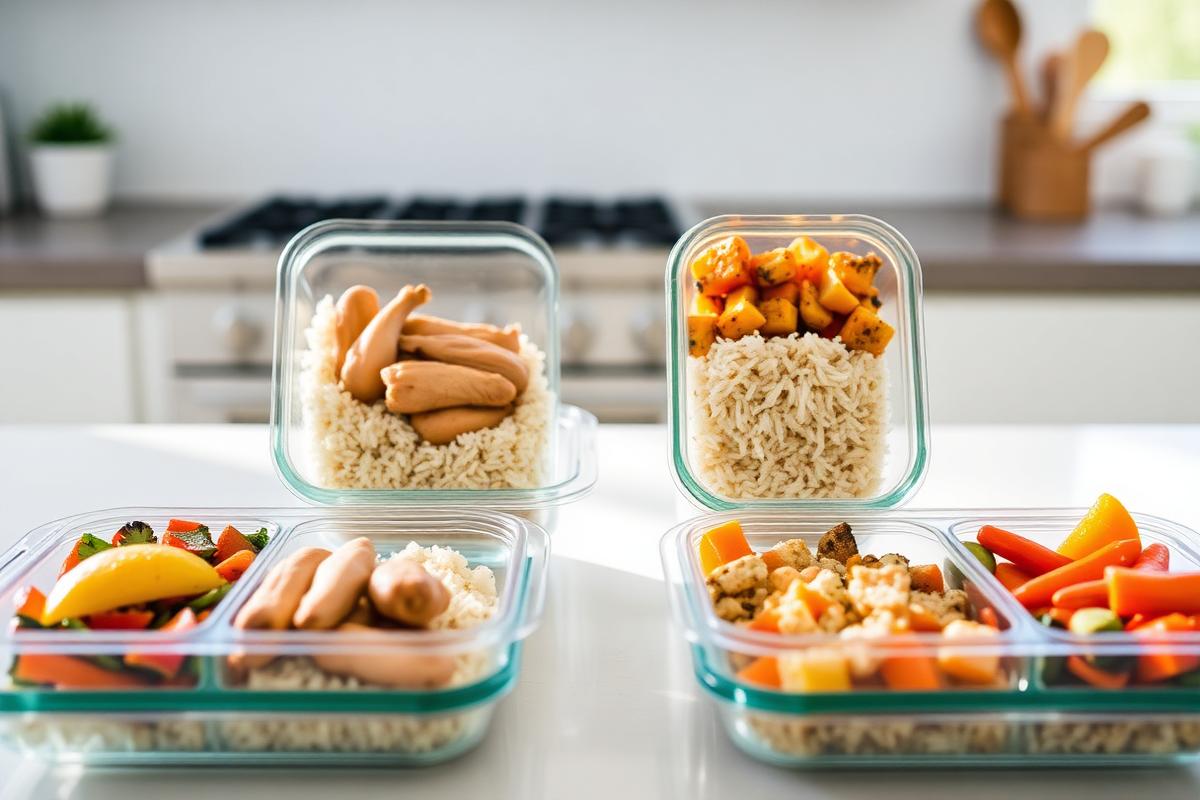
Lack of time derails many healthy plans. This batch system creates 10 to 12 ready-to-assemble meals.
Camila Ferraz · July 4, 2026