Ultra-processed foods: why they matter beyond calories
It is not only about calories. Texture, energy density, and eating speed can change how much you consume without noticing.
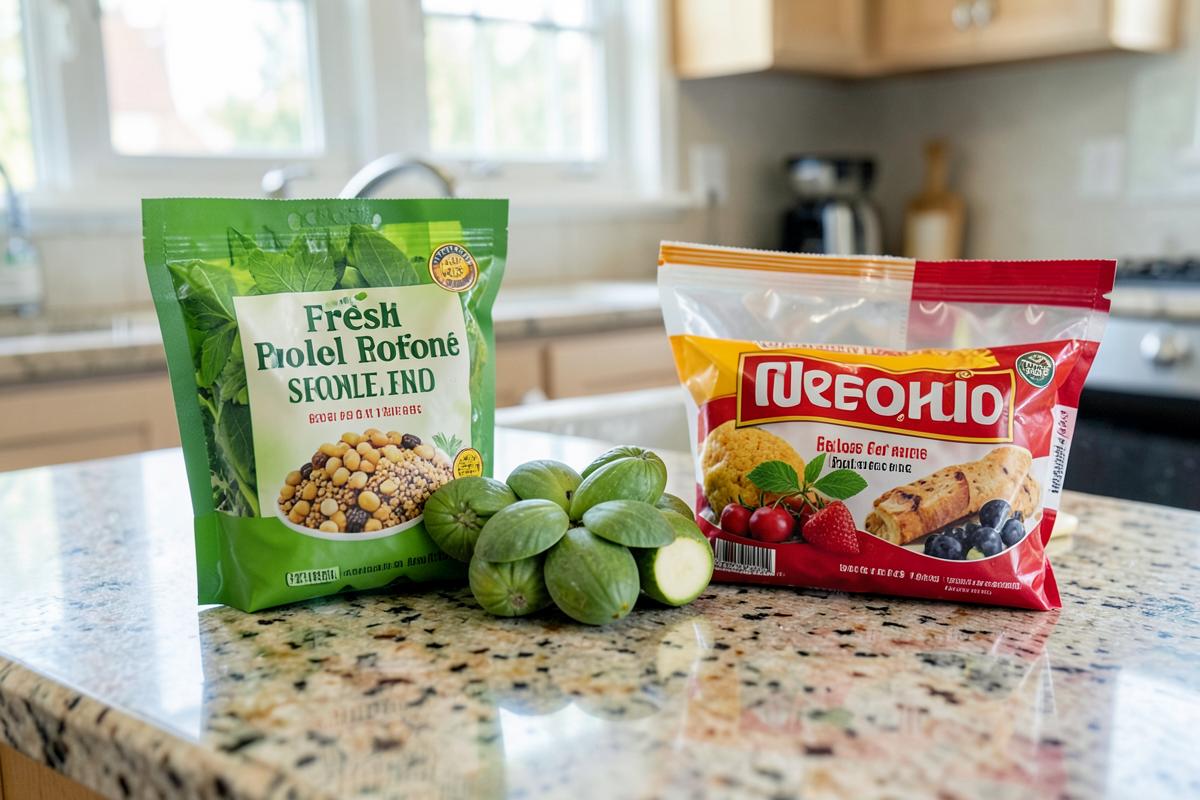
Ultra-processed foods are industrial formulations that often include protein isolates, modified fats, flavors, emulsifiers, and flavor enhancers.
The study that changed the discussion
In a controlled free-feeding study, participants ate roughly 500 more calories per day on an ultra-processed diet even when menus were matched for several major nutrients. They simply ate faster and consumed more.
Why it can happen
- High energy density in a small volume.
- Soft textures that speed eating.
- Highly rewarding combinations of salt, sugar, and fat.
- Lower fiber and weaker fullness afterward.
How to cut back without extremes
- Replace sugary drinks first.
- Keep a protein source ready in the refrigerator.
- Buy fewer foods you eat automatically.
- Save ultra-processed treats for occasions rather than daily routines.
Notice: this content is educational and does not replace personalized advice from a doctor, registered dietitian, or fitness professional.
Keep reading
Does intermittent fasting work? What the science says in 2026
The 16:8 schedule is popular, but comparative studies tell a simpler story: results come mainly from calorie balance, not the clock.
Dr. Helena Marques · September 5, 2026

GLP-1 weight-loss medications: what they do—and what they don't
Semaglutide and tirzepatide changed obesity care. Understand their effects, side effects, and why strength training matters.
Dr. Helena Marques · September 3, 2026
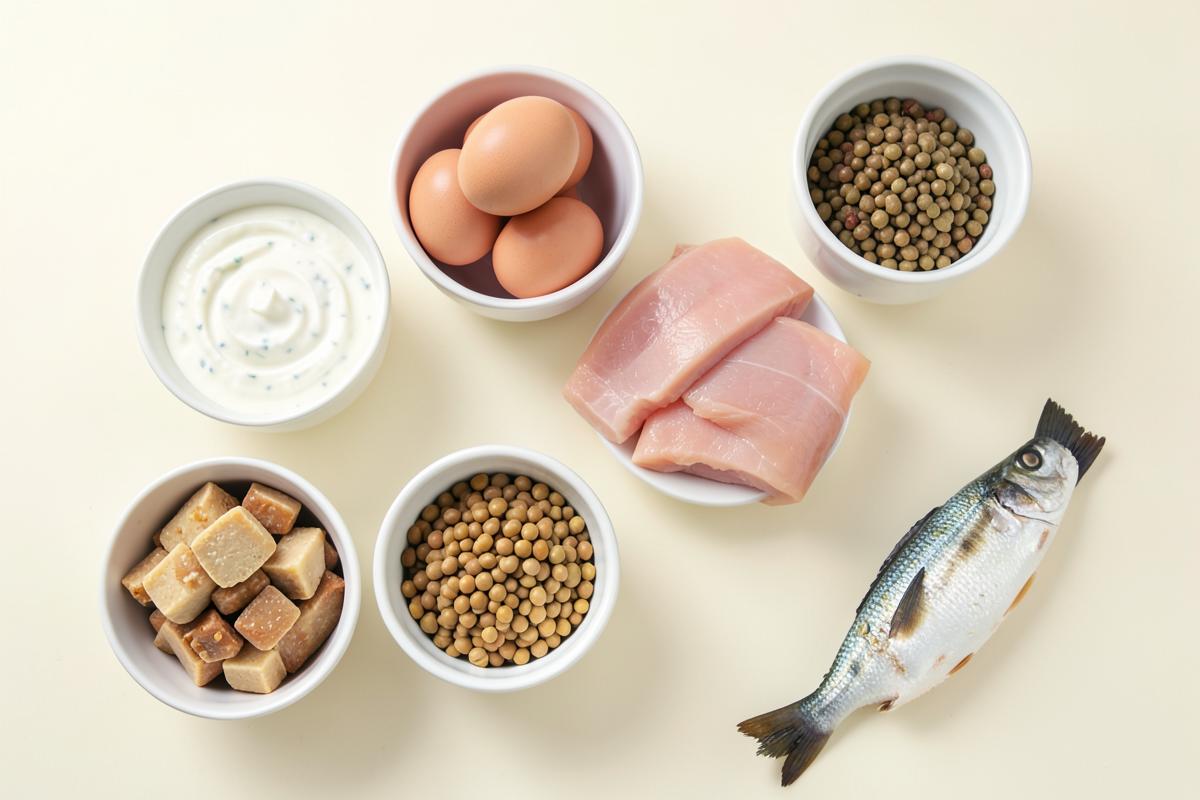
How much protein do you really need each day?
The official minimum is lower than the amount many active and older adults may need. See practical ranges and how to spread intake out.
Dr. Helena Marques · August 31, 2026