GLP-1 weight-loss medications: what they do—and what they don't
Semaglutide and tirzepatide changed obesity care. Understand their effects, side effects, and why strength training matters.

GLP-1-based medications are a major topic in metabolic health. They mimic gut hormones that slow stomach emptying and act on appetite centers in the brain.
What the evidence shows
Large trials report substantial average weight loss along with improvements in blood pressure, blood sugar, and cardiovascular markers. Results vary, and ongoing medical care is essential.
What medication does not solve
- Lean mass: some weight loss can come from muscle without adequate protein and resistance training.
- Habits: appetite often returns after treatment stops.
- Food skills: lower hunger does not automatically teach meal planning.
Common side effects
Nausea, constipation, reflux, and abdominal discomfort are common, especially during dose increases. There are specific contraindications, and these medications require a prescription and medical supervision.
Protecting muscle
Strength training two or three times weekly and adequate protein should be treated as part of care, not an optional extra. This article is educational and is not a recommendation to use medication.
Notice: this content is educational and does not replace personalized advice from a doctor, registered dietitian, or fitness professional.
Keep reading

Does intermittent fasting work? What the science says in 2026
The 16:8 schedule is popular, but comparative studies tell a simpler story: results come mainly from calorie balance, not the clock.
Dr. Helena Marques · September 5, 2026
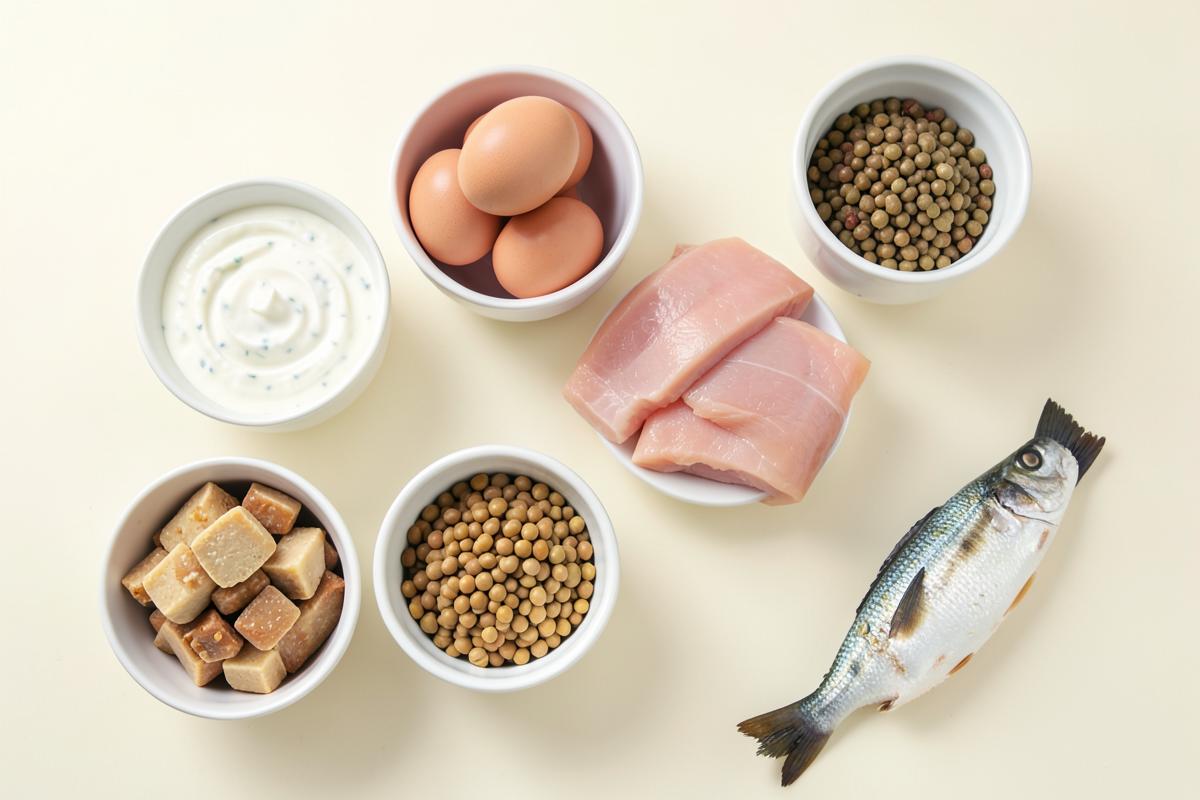
How much protein do you really need each day?
The official minimum is lower than the amount many active and older adults may need. See practical ranges and how to spread intake out.
Dr. Helena Marques · August 31, 2026
Ultra-processed foods: why they matter beyond calories
It is not only about calories. Texture, energy density, and eating speed can change how much you consume without noticing.
Camila Ferraz · August 24, 2026