Does intermittent fasting work? What the science says in 2026
The 16:8 schedule is popular, but comparative studies tell a simpler story: results come mainly from calorie balance, not the clock.

Intermittent fasting is a meal-timing strategy, not a magic diet. The popular 16:8 approach places all meals within an eight-hour window.
What clinical trials show
When calories and protein are matched, weight loss is similar to a traditional calorie-restricted diet. Its real advantage can be behavioral: fewer eating decisions and less late-night snacking.
Who may find it useful
- People who are not hungry in the morning.
- People who benefit from a clear stopping time at night.
- People who prefer fewer, larger meals.
Who should be cautious
- People who cannot meet protein needs in a short window.
- Anyone with a history of disordered eating.
- Pregnant or breastfeeding people, teens, and people taking diabetes medication unless supervised by a clinician.
The common mistake
An eating window does not make food quality irrelevant. If fasting makes you irritable, drained, or prone to overeating, it may simply be the wrong tool for you.
Notice: this content is educational and does not replace personalized advice from a doctor, registered dietitian, or fitness professional.
Keep reading

GLP-1 weight-loss medications: what they do—and what they don't
Semaglutide and tirzepatide changed obesity care. Understand their effects, side effects, and why strength training matters.
Dr. Helena Marques · September 3, 2026
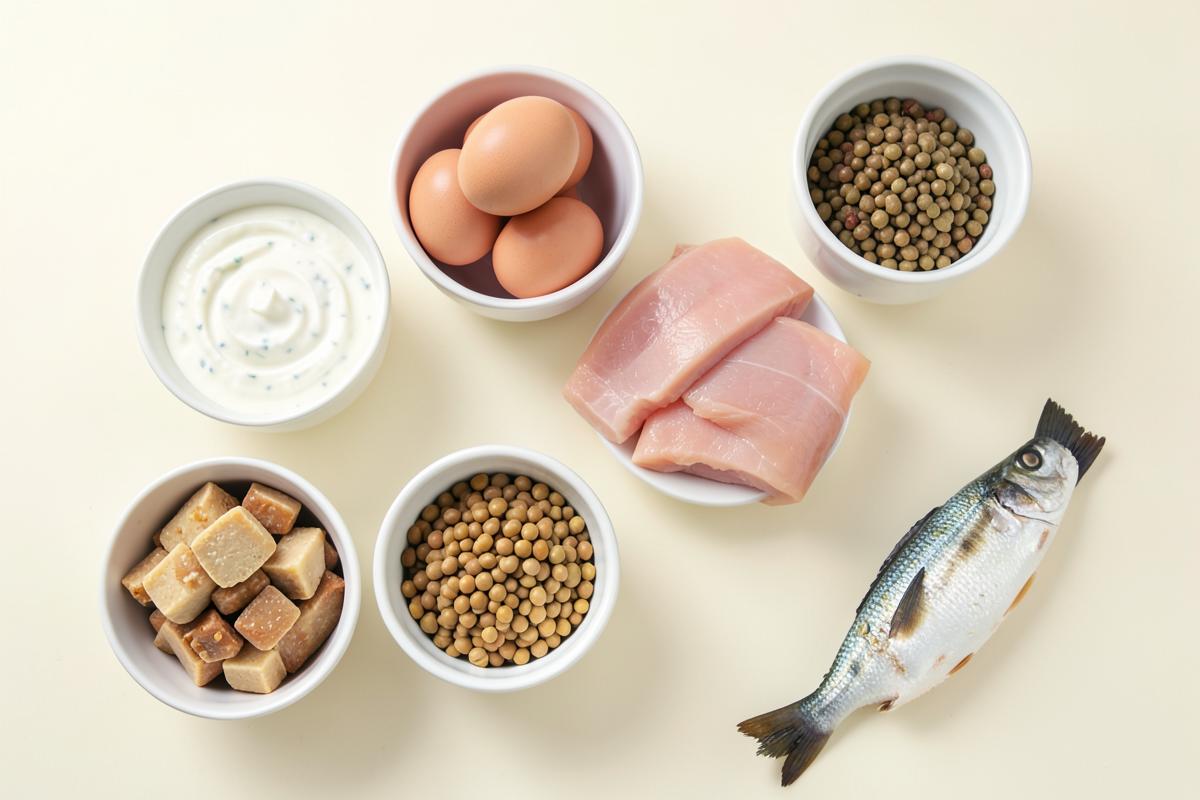
How much protein do you really need each day?
The official minimum is lower than the amount many active and older adults may need. See practical ranges and how to spread intake out.
Dr. Helena Marques · August 31, 2026
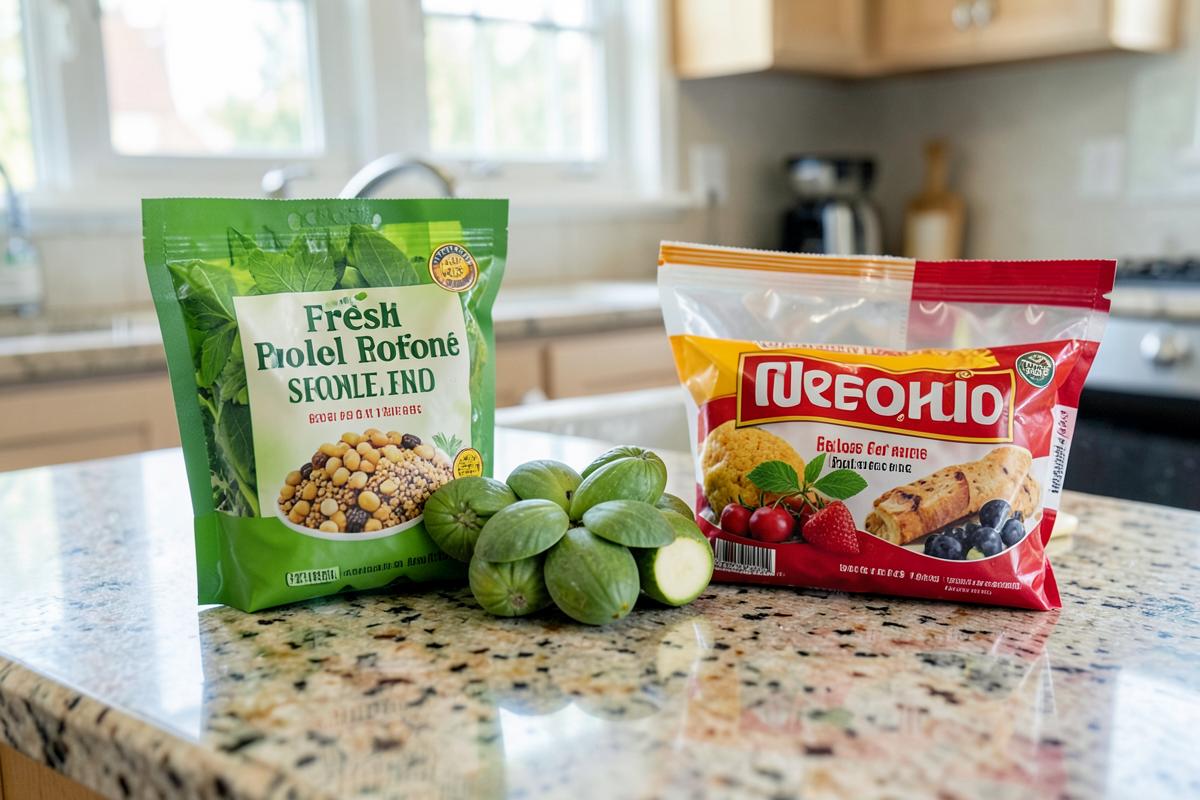
Ultra-processed foods: why they matter beyond calories
It is not only about calories. Texture, energy density, and eating speed can change how much you consume without noticing.
Camila Ferraz · August 24, 2026