The balanced plate: a complete guide to meals that fuel your day
Protein, fiber, healthy fat, and quality carbohydrates. Learn how to build satisfying meals that support steady energy and real life.
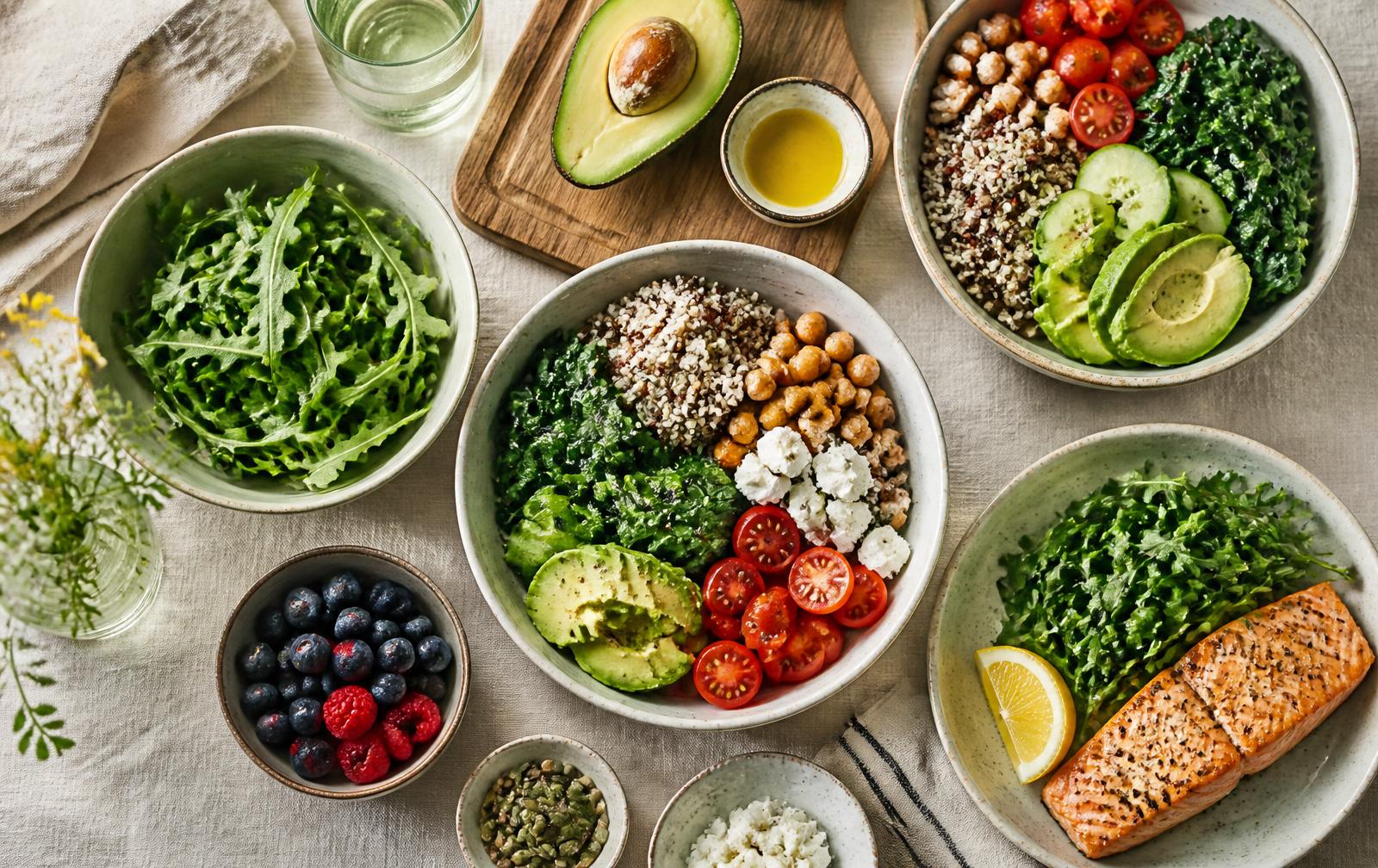
Before counting calories, it helps to learn how to build a balanced plate. The makeup of a meal affects how long you feel full, how steady your energy remains, and how well your body can repair tissue.
The four-part plate
A simple guide works in almost any kitchen: fill half your plate with vegetables, one quarter with protein, one quarter with a quality carbohydrate, and add a small serving of healthy fat.
- Vegetables: provide volume, fiber, water, vitamins, and plant compounds. Vary the colors throughout the week.
- Protein: choose eggs, fish, chicken, lean meat, tofu, or beans. Aim for about 20 to 35 grams per meal.
- Carbohydrates: try brown rice, sweet potatoes, oats, quinoa, or whole-grain bread.
- Healthy fats: use extra-virgin olive oil, avocado, nuts, or seeds.
Why protein and fiber matter
Protein is highly satisfying and helps preserve lean mass during weight loss. Fiber supports the gut microbiome, slows glucose absorption, and helps manage cholesterol. Beans, lentils, oats, chia seeds, and whole fruit make excellent staples.
Putting it into practice
- Breakfast: scrambled eggs, whole-grain toast, tomatoes, and avocado.
- Lunch: a large salad, brown rice, beans, fish, and olive oil.
- Snack: plain yogurt with berries and nuts.
- Dinner: roasted vegetables, shredded chicken, and mashed sweet potato.
Consistency beats perfection
No food needs to be forbidden. Ultra-processed foods, sugary drinks, and fried foods can fit occasionally, but they should not displace nutrient-dense foods. A consistent routine matters far more than two weeks of perfection.
Notice: this content is educational and does not replace personalized advice from a doctor, registered dietitian, or fitness professional.
Keep reading
Does intermittent fasting work? What the science says in 2026
The 16:8 schedule is popular, but comparative studies tell a simpler story: results come mainly from calorie balance, not the clock.
Dr. Helena Marques · September 5, 2026

GLP-1 weight-loss medications: what they do—and what they don't
Semaglutide and tirzepatide changed obesity care. Understand their effects, side effects, and why strength training matters.
Dr. Helena Marques · September 3, 2026
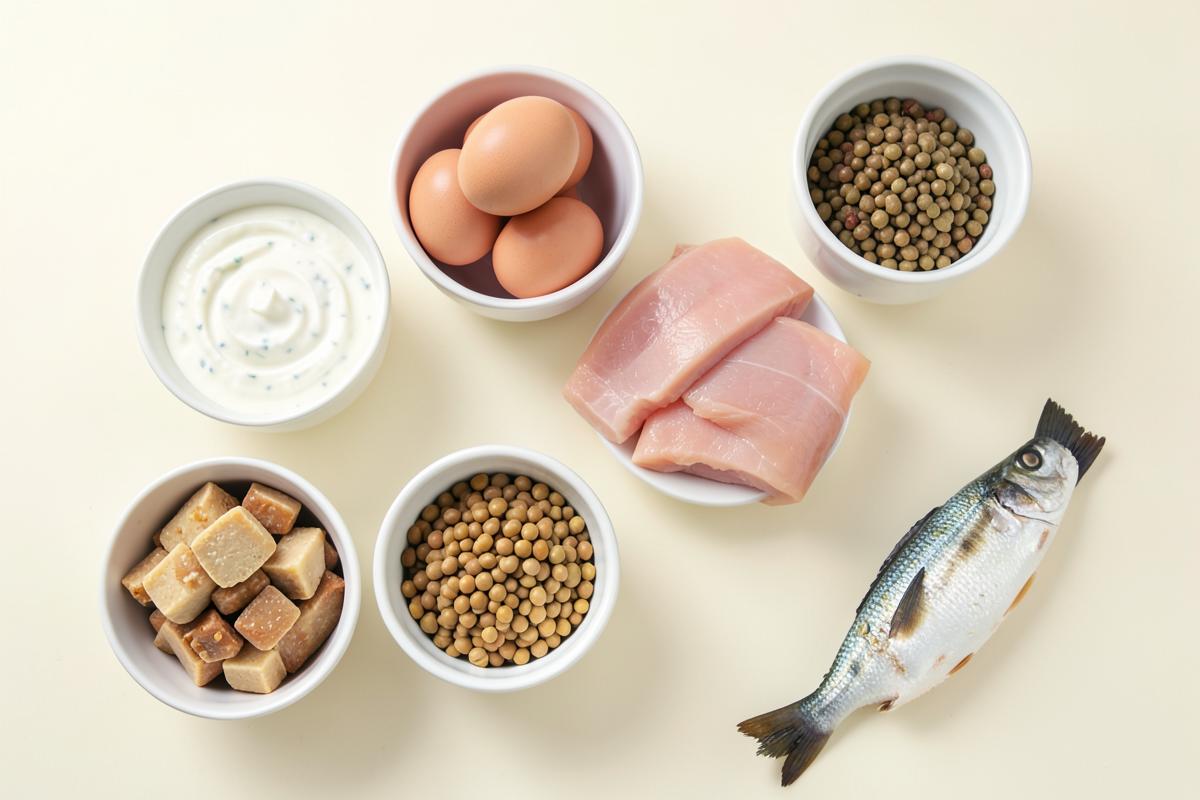
How much protein do you really need each day?
The official minimum is lower than the amount many active and older adults may need. See practical ranges and how to spread intake out.
Dr. Helena Marques · August 31, 2026