The Mediterranean diet: the world's most studied eating pattern
Olive oil, fish, legumes, and vegetables make this pattern a standout for heart, brain, and metabolic health.
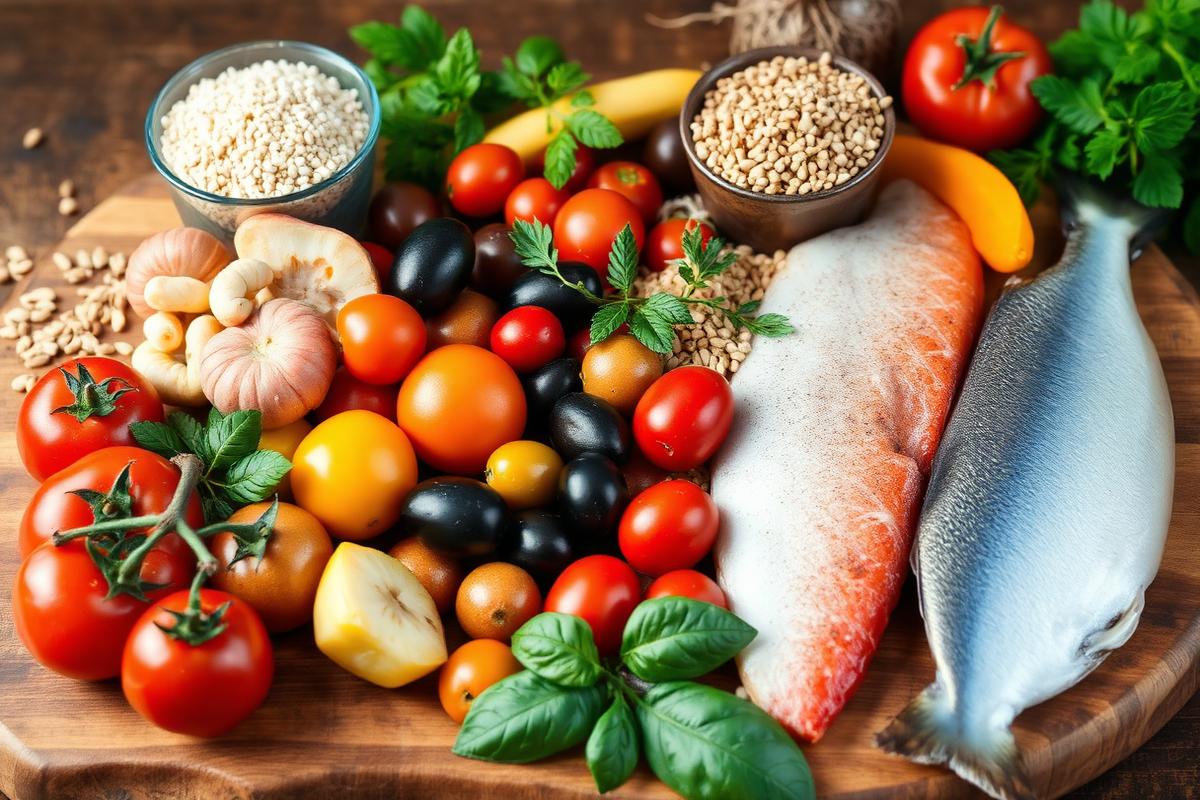
Few eating patterns have as much evidence behind them as the Mediterranean diet. It is not a rigid menu. It emphasizes vegetables, beans, whole grains, olive oil, fish, and modest amounts of red meat and ultra-processed foods.
What makes it different
- Monounsaturated fat from extra-virgin olive oil.
- Omega-3 fats from sardines, mackerel, and salmon.
- Polyphenols from vegetables, herbs, olives, and fruit.
- Plenty of fiber from beans and whole grains.
Build your own version
You do not need imported specialty foods. Beans, brown rice, leafy greens, squash, canned sardines, eggs, fruit, nuts, and olive oil follow the same principles at a lower cost.
A practical week
- Eat fish two or three times.
- Include legumes on at least five days.
- Add vegetables to lunch and dinner.
- Keep red meat to no more than twice.
- Save sweets for occasions rather than every day.
Lifestyle matters too
The original Mediterranean pattern also included shared meals, daily walking, and regular sleep. The plate matters, but so does the life around it.
Notice: this content is educational and does not replace personalized advice from a doctor, registered dietitian, or fitness professional.
Keep reading

Does intermittent fasting work? What the science says in 2026
The 16:8 schedule is popular, but comparative studies tell a simpler story: results come mainly from calorie balance, not the clock.
Dr. Helena Marques · September 5, 2026

GLP-1 weight-loss medications: what they do—and what they don't
Semaglutide and tirzepatide changed obesity care. Understand their effects, side effects, and why strength training matters.
Dr. Helena Marques · September 3, 2026
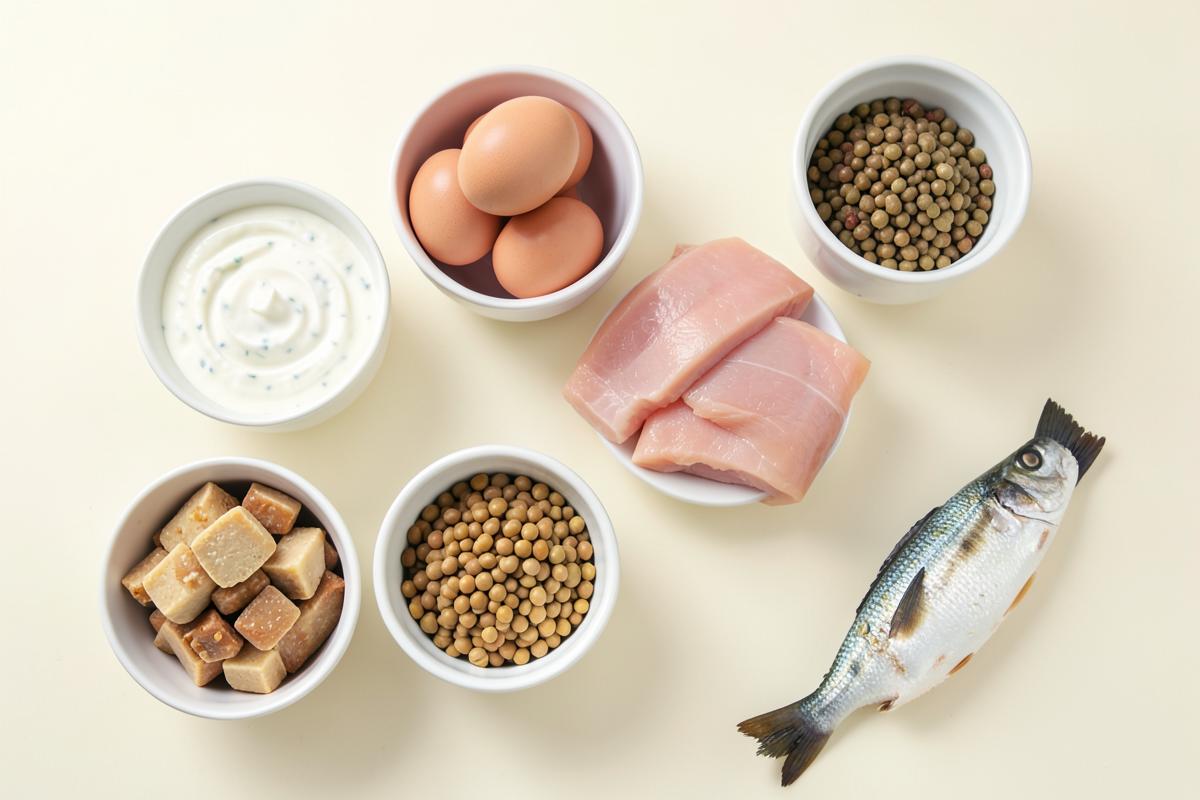
How much protein do you really need each day?
The official minimum is lower than the amount many active and older adults may need. See practical ranges and how to spread intake out.
Dr. Helena Marques · August 31, 2026