Gut health: how to feed your microbiome every day
Trillions of microbes influence immunity, mood, and digestion. Fiber, fermented foods, and plant variety have the strongest evidence.
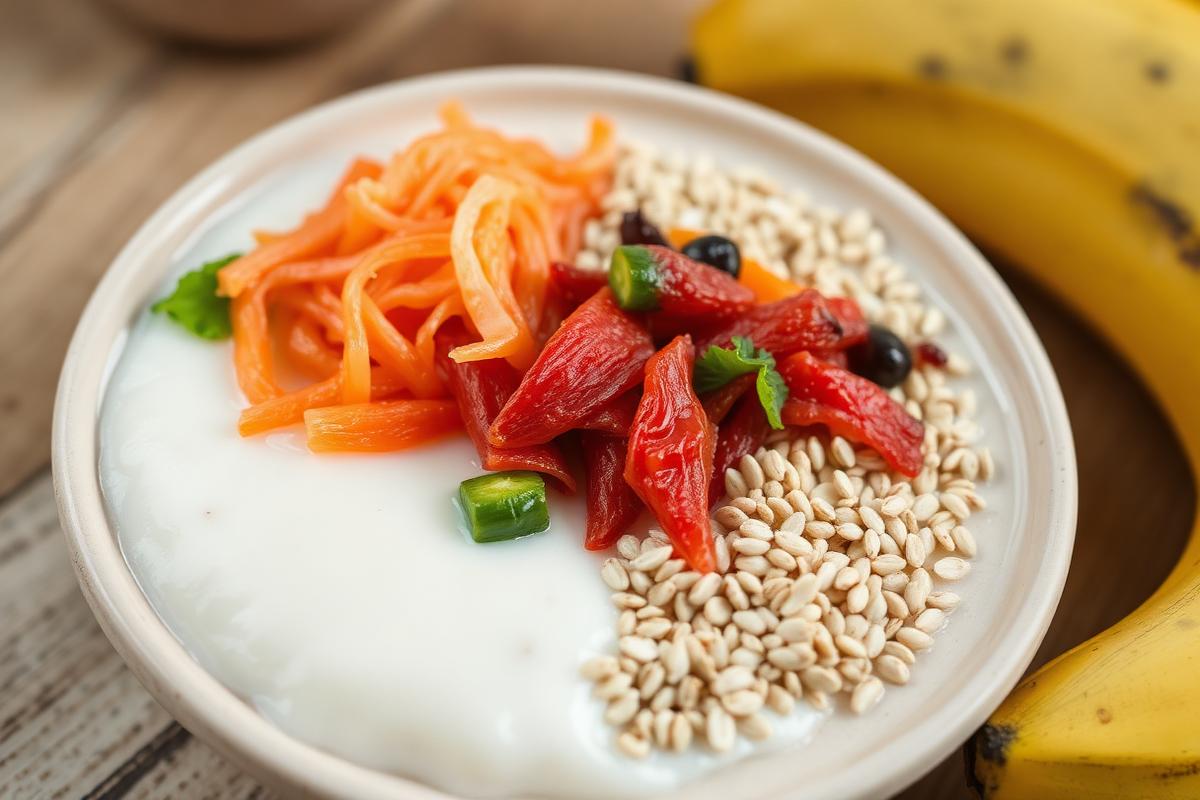
Your gut microbes ferment fiber and produce short-chain fatty acids that nourish intestinal cells and help regulate inflammation. A diverse microbiome is associated with stronger metabolic and immune markers.
Three useful levers
1. Plant diversity
A practical goal is 30 different plant foods per week, including fruits, vegetables, grains, legumes, seeds, nuts, and herbs.
2. Prebiotic fiber
Garlic, onion, leeks, slightly green bananas, oats, barley, and beans are rich sources. Increase fiber gradually to reduce discomfort.
3. Fermented foods
Plain yogurt, kefir, sauerkraut, kimchi, and miso provide live microorganisms. Regular intake may improve microbial diversity.
What gets in the way
- A repetitive, low-fiber diet.
- Excess alcohol.
- Unnecessary antibiotic use.
- Chronic stress and poor sleep.
Notice: this content is educational and does not replace personalized advice from a doctor, registered dietitian, or fitness professional.
Keep reading

Exercise and mental health: movement as powerful support
Regular movement can reduce anxiety and depression symptoms by a clinically meaningful amount. Learn the minimum effective dose.
Camila Ferraz · August 17, 2026

Glucose spikes: what matters—and what the internet exaggerates
Continuous monitors made glucose a popular topic. Learn what is normal, what deserves attention, and which strategies have evidence.
Dr. Helena Marques · August 10, 2026

Menopause: how to adjust nutrition and training
Falling estrogen levels affect body composition, bone density, and sleep. Strength, protein, and calcium are well-established priorities.
Dr. Helena Marques · August 6, 2026