Menopause: how to adjust nutrition and training
Falling estrogen levels affect body composition, bone density, and sleep. Strength, protein, and calcium are well-established priorities.

The menopause transition can change fat distribution, speed bone and muscle loss, and affect sleep and mood. Lifestyle cannot prevent every change, but it can strongly influence the outcome.
Priority 1: strength training
Two or three progressive sessions per week are among the most effective interventions for muscle and bone. Appropriate impact exercise, such as stair climbing, can add a bone-building stimulus.
Priority 2: protein
A practical range is 1.2 to 1.6 grams per kilogram daily, distributed across meals. The body's muscle-building response changes with age, so meaningful protein portions at each meal matter.
Priority 3: calcium and vitamin D
Dairy foods, bone-in sardines, calcium-set tofu, and leafy greens provide calcium. Vitamin D status should be evaluated and treated with clinical guidance.
Sleep and hot flashes
- Keep the bedroom cool and use lightweight bedding.
- Reduce alcohol and evening caffeine.
- Maintain a regular sleep schedule.
- Stay active during the day.
Hormone therapy is an individual medical decision with benefits and contraindications that require personalized evaluation.
Notice: this content is educational and does not replace personalized advice from a doctor, registered dietitian, or fitness professional.
Keep reading

Exercise and mental health: movement as powerful support
Regular movement can reduce anxiety and depression symptoms by a clinically meaningful amount. Learn the minimum effective dose.
Camila Ferraz · August 17, 2026
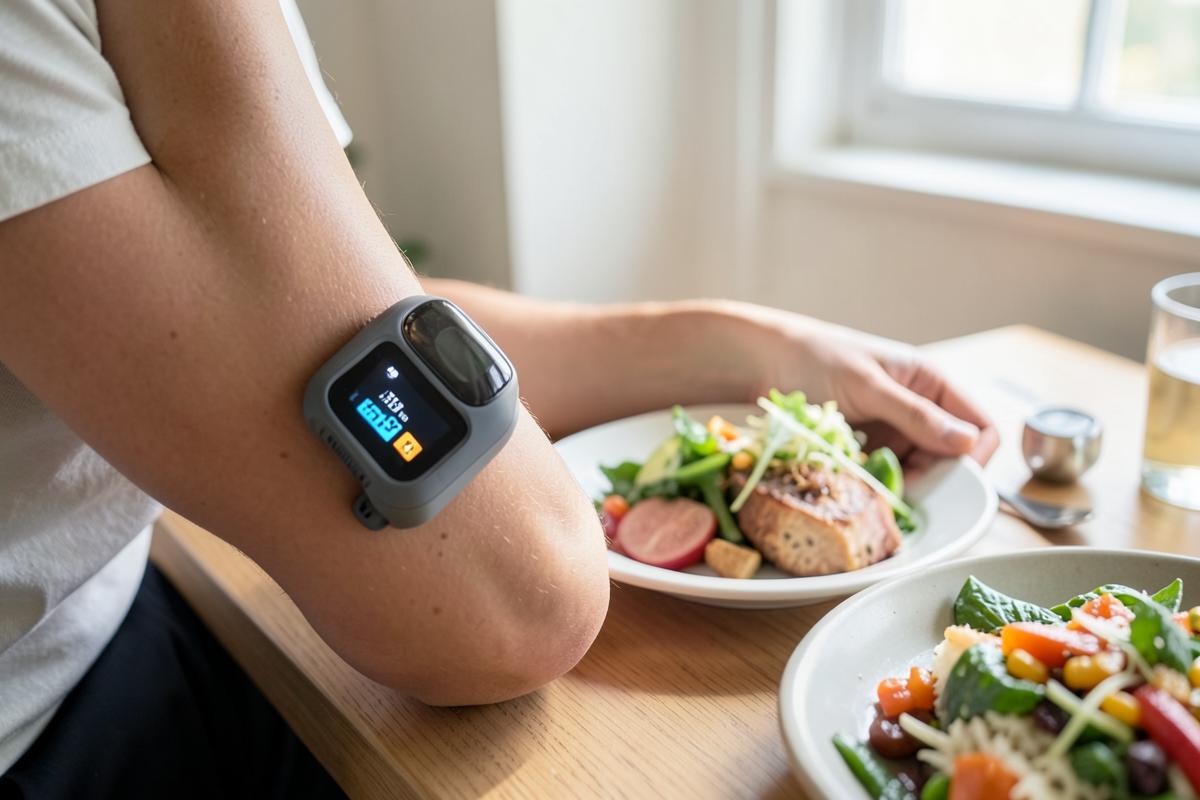
Glucose spikes: what matters—and what the internet exaggerates
Continuous monitors made glucose a popular topic. Learn what is normal, what deserves attention, and which strategies have evidence.
Dr. Helena Marques · August 10, 2026

Sleep and metabolism: why poor sleep undermines diet and training
A short night changes hunger hormones, lowers strength, and worsens insulin sensitivity. These habits can help within a week.
Camila Ferraz · July 22, 2026