Glucose spikes: what matters—and what the internet exaggerates
Continuous monitors made glucose a popular topic. Learn what is normal, what deserves attention, and which strategies have evidence.
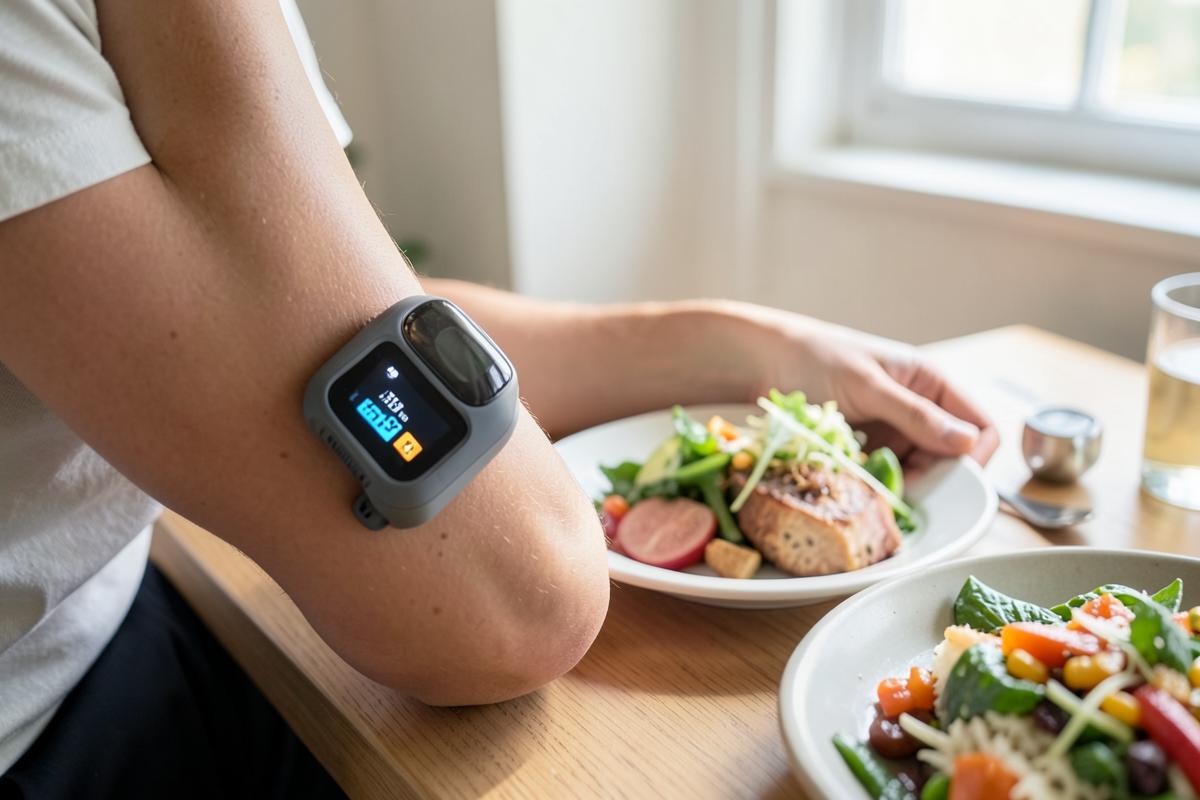
Continuous glucose monitors have moved beyond diabetes care into general wellness. That has created useful awareness—and unnecessary anxiety.
What is normal?
In people without diabetes, glucose rises after a meal and returns toward baseline over the next couple of hours. A rise after eating is normal physiology, not automatically a problem.
What deserves attention
- Persistently high fasting glucose.
- An A1C above the reference range.
- Repeatedly slow return toward baseline.
- Symptoms such as extreme thirst, fatigue, or frequent urination.
Strategies that help
- Walk for 10 to 15 minutes after major meals.
- Pair carbohydrates with protein, fat, and fiber.
- Strength train: muscle is a major destination for glucose.
- Sleep well: one poor night can reduce insulin sensitivity the next day.
Keep perspective
Do not eliminate fruit or fear every sensor change. Lab work, fitness, symptoms, and overall eating patterns matter more than one isolated graph.
Notice: this content is educational and does not replace personalized advice from a doctor, registered dietitian, or fitness professional.
Keep reading

Exercise and mental health: movement as powerful support
Regular movement can reduce anxiety and depression symptoms by a clinically meaningful amount. Learn the minimum effective dose.
Camila Ferraz · August 17, 2026

Menopause: how to adjust nutrition and training
Falling estrogen levels affect body composition, bone density, and sleep. Strength, protein, and calcium are well-established priorities.
Dr. Helena Marques · August 6, 2026

Sleep and metabolism: why poor sleep undermines diet and training
A short night changes hunger hormones, lowers strength, and worsens insulin sensitivity. These habits can help within a week.
Camila Ferraz · July 22, 2026