Creatine: the most studied—and misunderstood—supplement
Affordable, safe, and backed by hundreds of studies. Learn about dosage, timing, loading, and benefits beyond muscle.
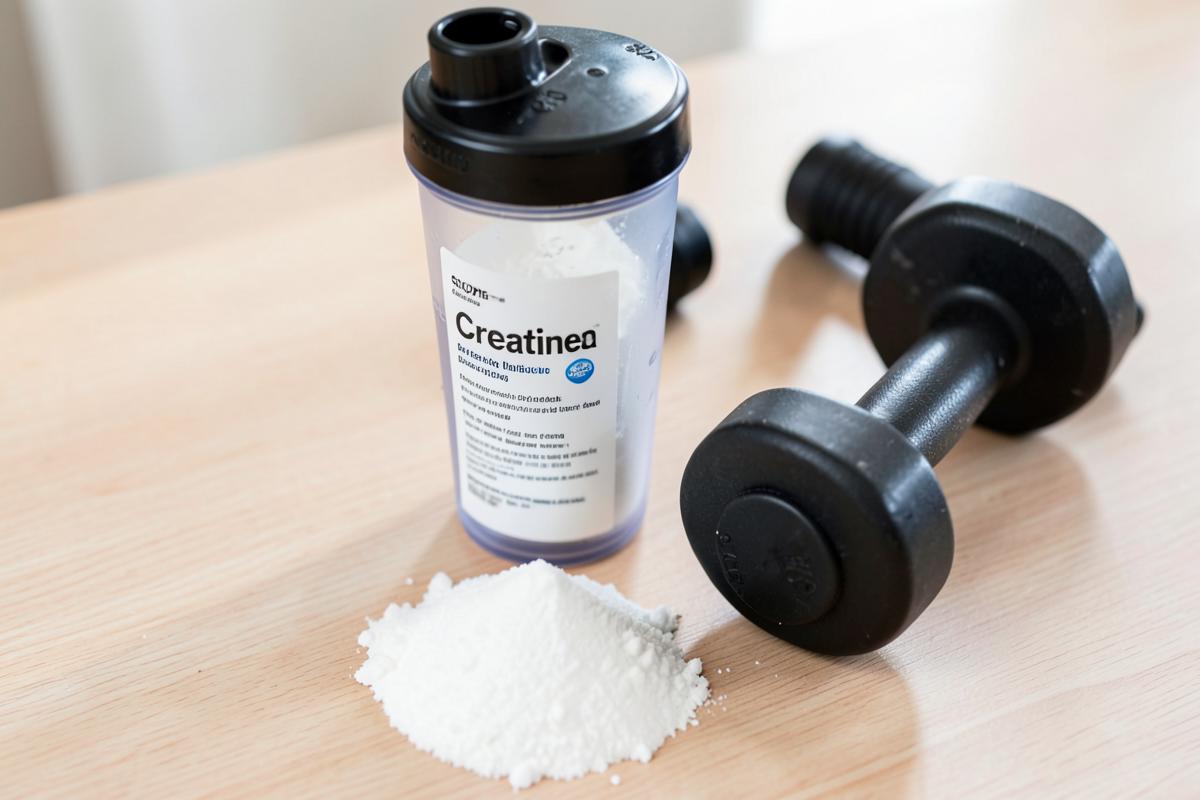
Creatine monohydrate has one of the strongest combinations of evidence, safety, and affordability among supplements. It raises muscle phosphocreatine stores, supporting short, intense efforts and more training volume over time.
Dose and timing
- Maintenance: 3 to 5 grams every day.
- Loading: optional. About 20 grams daily in divided doses for 5 to 7 days speeds saturation, but the final result is similar.
- Timing: not important. Consistency matters more.
- Cycling: unnecessary.
Common myths
- “It damages kidneys”: evidence does not show this in healthy people using recommended doses.
- “It causes bloating”: it increases water inside muscle cells, not under the skin.
- “It is only for men”: women can benefit equally.
Beyond muscle
Research is exploring possible benefits for cognitive fatigue and memory, especially during sleep loss and in older adults. Choose plain creatine monohydrate over costly “advanced” formulas.
Notice: this content is educational and does not replace personalized advice from a doctor, registered dietitian, or fitness professional.
Keep reading

Strength training for women: a myth-free guide
Lifting challenging weights does not make women “too bulky.” It supports bones, body composition, confidence, and metabolic health.
Rafael Nunes, fitness professional · August 20, 2026

VO₂ max: the longevity marker most people never track
Cardiorespiratory fitness predicts health outcomes better than many routine measures. Learn how to estimate and improve it.
Rafael Nunes, fitness professional · August 14, 2026

Strength training for beginners: a 12-week plan that works
Strength is not just about appearance—it supports longevity. Follow a progressive three-day plan built around the movements that deliver the most value.
Rafael Nunes, fitness professional · August 8, 2026